Fr. Andrew’s Daily Mass Homily Podcast
Mass Readings – Saturday of the 22nd Week of the Year
Jesus responds to the pharisees’ question with a two-fold response that is both practical and divine.
Fr. Andrew’s Daily Mass Homily Podcast
Mass Readings – Saturday of the 22nd Week of the Year
Jesus responds to the pharisees’ question with a two-fold response that is both practical and divine.

Fr. Andrew’s Daily Mass Homily Podcast
Mass Readings – Tuesday of the 21st Week of the Year
Life is filled with distractions and can throw us curve balls in a moment’s notice. Our solution? Hold fast to Jesus Christ!

Fr. Andrew’s Daily Mass Homily Podcast
Readings – Tuesday of the 10th Week of the Year
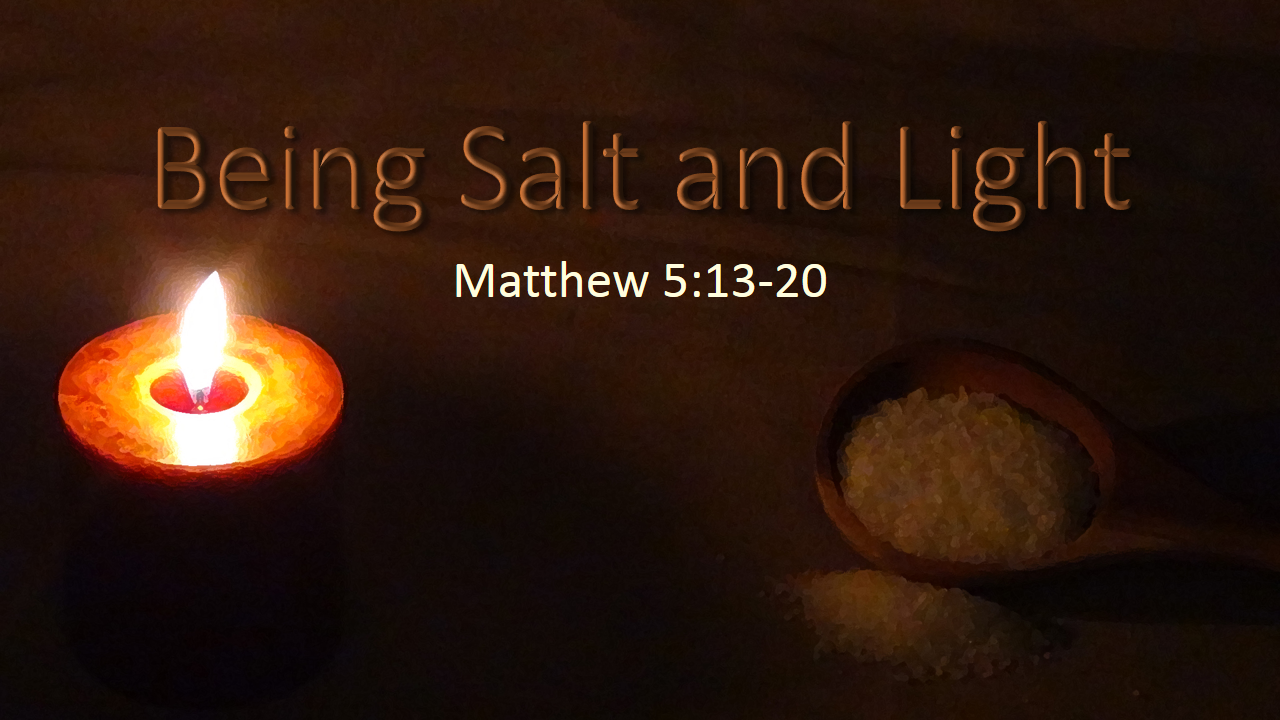
“You are the Salt of the World…You are the Light of the World.” May the unique gift of our lives be used today to help one another – all for the glory of God!


Theology on Tap Presentation Podcast (36 minutes)
Are you looking for some practical ways to transform your life? Do you long for something special, filled with power, purpose, and meaning? Fr. Andrew looks at 3 areas (Self, Others, God) and applies them to the ordinary and routine elements of daily life. This Theology on Tap presentation was given at Vintage Italian Pizza (VIP) in Superior, WI on October 22, 2015.

Study: Recall a time when you were entrusted with power. How did you use it?
Pray: Ask the Lord for guidance over the things and situations in your control right now.
Serve: How can you help someone who is struggling with a decision of leadership? How can you offer solid support?
21st Sunday of the Year Readings
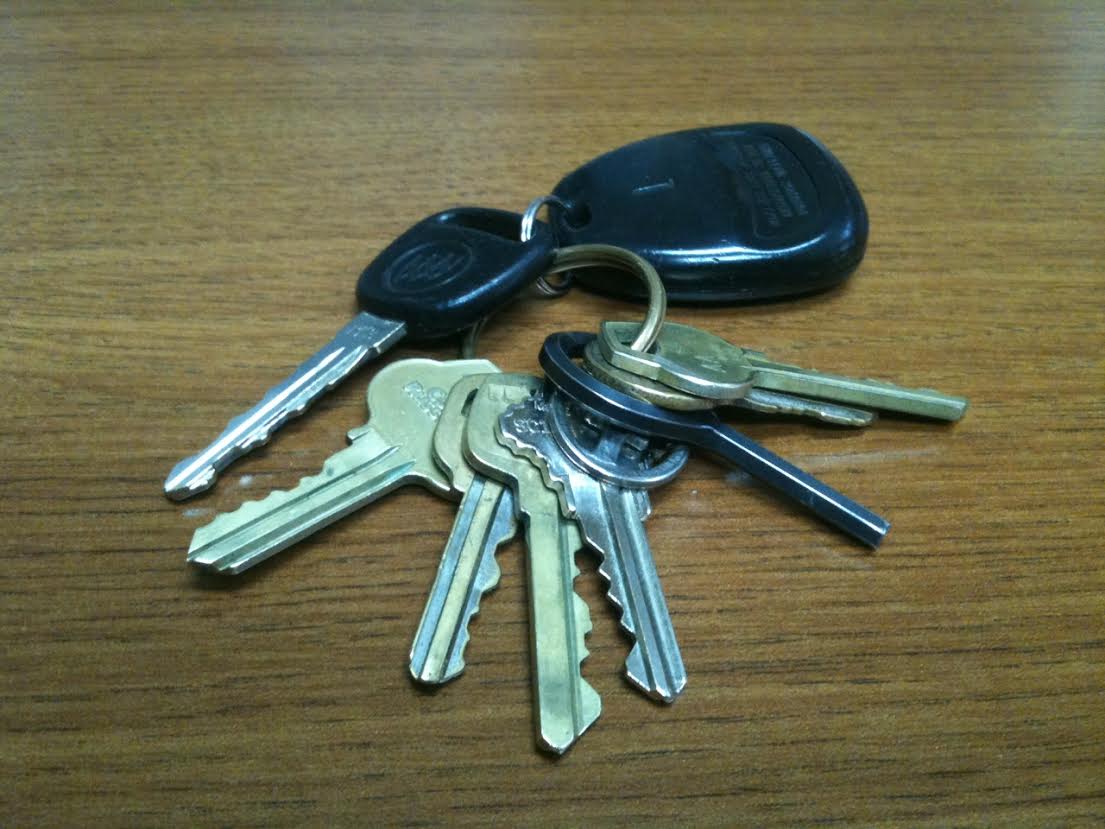
Take a look at the keys in your pocket. As you hold them, think about what they do:
Keys allow us access and empower us with authority. Keys give us control over our physical world and they help us to use resources wisely and well. They are also symbols that speak to identity and purpose – just think about what happens when our keys are lost or taken from us….
In the first reading and the Gospel today we discover the power of God’s keys:
These promises to Eliakim and St. Peter are mighty – they will receive the power, authority,and responsibility from God lead and guide. Consider these three points:
Power: they receive the strength and ability to carry out the work entrusted to them. Power gives them resources and skills to accomplish great things. Without power they are weak; with God’s power they can do more than they ever dreamed possible.
Authority: these keys are a sign of leadership and respect. The keys they possess allow them to direct and command others. Those who hold the keys are followed; those who hold the keys stand before us and provide wisdom, insight, and vision.
Responsibility: “From everyone to whom much has been given, much will be required; and from the one to whom much has been entrusted, even more will be demanded.” (Luke 12:48b) With great power comes great responsibility, and those who have been given strength and ability are required to use it with wisdom. Indeed, having the keys of Authority are a burden to demonstrate transparency, accountability, and trust.
Again, look at the keys in your pocket. How do we use them? Today we might consider the gifts and talents God has given us: we have an opportunity at this moment to exercise our own power and authority with God’s guidance, knowing that one day the Lord will seek an accounting with what we have done.
May our own keys inspire us to live with conviction and direction – using the resources we have received with the insights offered by our faith in Jesus Christ. The Lord is the source of all keys, may we call upon him to help us use them!


Study: Reflect back on life – what have been some major obstacles that you faced? How did you find the strength and wisdom to overcome them?
Pray: What current obstacles are before you right now? Bring these to prayer and ask the Lord for guidance and perseverance.
Serve: Is there someone in your life who is facing a difficult time in life right now? How might you be able to offer support?
M. Scott Peck, author of the classic personal growth book The Road Less Traveled, begins his text with a simple statement:
Life is difficult.
If we assume this point – that there are times in our lives that are difficult – then we can gain a clear perspective on those moments which confront us with struggle. We recognize that challenge is indeed a part of life, and how we respond to difficulty shapes and defines who we are.
Difficulty poses a common trap. When life challenges us we may be tempted to avoid the situation altogether. It may (falsely) appear that it is easier to stay away from the problem – to run away, hide, pretend it is not there, or direct our attention on something else.
When this happens we may choose an (apparently) easier path. This is the direction of least resistance; we do not seem to experience the stress or unease we felt before. Yet this feeling does not last for long. Sooner or later, the problem we attempted to avoid returns, usually greater than before.
In the end we are confronted with two crucial steps. First we must recognize the situation (life is difficult). Second we face the struggle and choose an appropriate response. Sounds like fun, right?
Wrong…
The Gospel today is clearly not what we call a “warm-fuzzy” sort of reading. Luke makes it clear that a life of faith will be marked with difficulty. Pain and suffering will confront us from a variety of perspectives throughout our lives.
The Cross of Christ is our model for this brutal truth. We know that there is hope and resurrection awaiting us, but we also know that the path to eternal life may also demand steadfast patience and sacrifice. Indeed, the Lord asks no less than our very lives.
Yet while this reading presents us with a sort of blunt honesty, it also provides us with a powerful hope. God will not abandon us in our weakness to journey alone. In our moments of struggle the Lord walks with us, offering strength and guidance to help us on the way…even when life is truly difficult.


Study: Look back on some recent responses to others. Have these responses been guided by Jesus Christ?
Pray: Are there any major decisions or challenges in my life? Take these to prayer and ask the Lord for direction.
Serve: How can I help someone to make the right decision? How can I help them make a holy response to their circumstances?
A man had two twin sons. One son was an optimist, the other was a pessimist. On their birthday their father brought them to the barn. Two stalls were marked, one with each boy’s name, and in the middle of each stall was a small pile of manure.
The pessimist immediately began to complain of the smell, wondering why he had to clean up the mess of an animal. The optimist immediately began to search through the barn. When his grinning father asked him what he was looking for, the boy replied, “I want to see my new horse!”
Life often offers us situations that contain both good and bad elements. At such times we have the opportunity to make choices that illustrate our priorities and values. In others words, our responses reveal what is going on in our hearts.
The Gospel today offers two powerful responses. Jesus and Zacchaeus both respond to the situations in which they are placed, and their actions reveal their sincerity and conviction.
Jesus encounters Zacchaeus on his journey through Jericho. We are informed that Zacchaeus is a chief tax collector – despised by the local population as a greedy man who supports the Roman Empire. He is a “sinner” to the people, and their grumbling shows that they believed he had no business with Jesus.
Yet the Lord makes no distinction in his greeting to Zacchaeus. He calmly speaks to the man, informing him that he will dine at his house that day. The response of Jesus is simple: he reaches out to a person in need of conversion and healing, regardless of past history.
Zacchaeus also displays an amazing response. The fact that he climbed a tree to see the Lord indicates that he wanted to make a change in his own life. When Jesus offers him an invitation, Zacchaeus immediately accepts; furthermore, he boldly states a change of heart in his financial practice!
These two responses serve as an invitation for us as well. Like Jesus, we may examine those situations where we are called to reach out to others. Like Zacchaeus, we may study those moments when we wish to accept the mercy and help of another. In both cases, our responses will reveal what is going on in our hearts. May the Lord help us to choose wisely, as we respond to the world around us.


Study: Recall a time when you were in difficulty and called upon God for help. How did your faith give you direction and strength?
Pray: Ask for the direction and strength you or a loved one needs right now. Be specific and pray for guidance.
Serve: Who in your life is struggling with faith right now? How can you help them face their challenges?
The readings today offer some powerful thoughts for our reflection:
* Life (without God) is vanity [1st]
* Our life on earth is but a moment [psalm]
* Think of what is above [2nd]
* What good is treasure on earth? [gospel]
These points revolve around a single thought; namely, that a life without God is no life at all.
The first reading reminds us that without God no action or effort has meaning. All of life appears as vanity when there is no purpose to our daily work. If this world is all there is and death comes for everyone, then what is the point of trying at all?
Through the death and resurrection of Jesus we now have hope both in life and eternal life. We no longer see death as the end; indeed, it is but a step that leads into the Kingdom of Heaven.
The psalm today teaches us that our lives on earth are brief; too often we can take for granted this moment, assuming that there will always be another day, another opportunity. In the end we acknowledge that we are just pilgrims – traveling through this world as we journey toward the world to come.
The second reading shows us how to stay focused in our pilgrimage: “Think of what is above.” When we keep our eyes fixed on our ultimate destination it becomes far easier to stay the course. By directing our attention on Jesus Christ we know who we are (His disciples) and where we are going (His Kingdom).
This focus on what is above helps us in two ways. First it gives us the ability to recognize when we encounter situations that are not in harmony with our faith. Simply put, we see temptations, sin, and evil for what they are. Second, it allows us to call upon the one who helps us in our moments of trial. Indeed, the one who died and rose for us gives us the strength we need.
Finally, in the Gospel reading Jesus draws out all these ideas through the parable of the greedy man.
* God is not a part of his life.
* He has no thought of his own mortality.
* He has no value greater than possessions.
And when put to the test he has nothing to show for his life; the last time I checked, there will be no moving van for our possessions at the cemetery.

 Catholic Inspiration – Podcast Archives of Homilies & Talks
 Three Great Things