
In Luke’s Gospel the crowds grow in response to the healing and teaching of Christ, who moves on to other villages so that more people might discover the Good News.
Mass Readings – Wednesday of the 22nd Week of the Year
***************
In Luke’s Gospel the crowds grow in response to the healing and teaching of Christ, who moves on to other villages so that more people might discover the Good News.
Mass Readings – Wednesday of the 22nd Week of the Year
***************


The example of Apollos shows that a disciple can be passionate about sharing the faith AND open to learning from those who have more education and experience. It’s a good reminder for us as we grow in grace and follow Jesus Christ.
Mass Readings – Saturday of the 6th Week of Easter
***************


Paul preaches a carefully crafted, well thought out, passionate message to the people of Athens…and they scoffed and walked away. Paul’s response to this outcome is instructive; he faithfully continues to the next city, telling people about Jesus.
Mass Readings – Wednesday of the 6th Week of Easter
***************

Stripped and beaten, Paul and Silas are thrown into prison in Philippi. During an earthquake their proclamation of the Gospel changes hearts and lives.
Mass Readings – Tuesday of the 6th Week of Easter
***************


The end of chapter 15 of Acts of the Apostles shows how the early Church came to a united resolution that empowered the mission of the Gospel to the gentiles.
Mass Readings – Friday of the 5th Week of Easter
***************


The Acts of the Apostles recounts how the Church continues to grow through the efforts of many people in many places.
Mass Readings – Tuesday of the 4th Week of Easter
***************

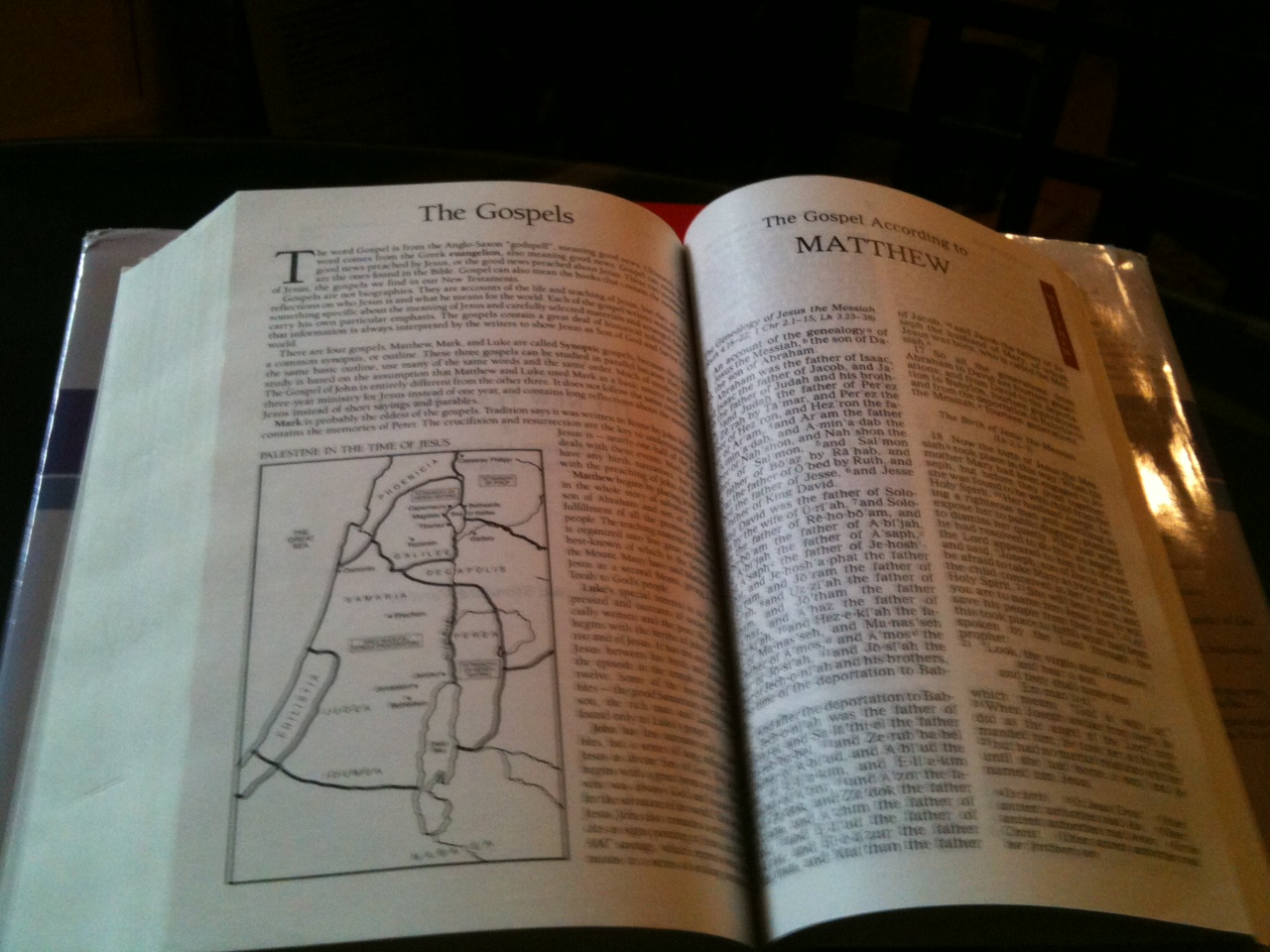
Prayerfully reading the Bible (often called Lectio Divina – Divine Reading) is a powerful way the listen to what God has to say to our lives. Reading a small passage of Scripture we reflect and respond to the Lord by answering three simple questions: What does it say? What does it say to me? What does it make me say?
To access the daily Mass Readings from the US Catholic Bishops’ website, click here.


As the disciples return praising God for the power they used in the name of Jesus, the Lord reveals this power as the fulfillment of God’s plan for salvation history. Our task today? To continue to let Jesus work through the daily offering of our lives.
Mass Readings – Saturday of the 26th Week of the Year
***************


In the Gospel today the Lord cleanses the temple and then teaches the people. Every time we enter into a church and stand before the Blessed Sacrament in the tablernacle, we encounter the same Risen Lord – body and blood, soul and divinity.
Mass Readings – Friday of the 33rd Week of the Year
***************

The prophet Isaiah and Jesus both speak of the servant who suffers for others. Once we recognize the value of life we begin to embrace our suffering with the grace of Christ…whose death and resurrection reveal the depth of love God has for us all.
Mass Readings – 29th Sunday of the Year
***************

 Catholic Inspiration – Podcast Archives of Homilies & Talks
 Three Great Things