
“Turn away from sin and be faithful to the Gospel.” May the start of this season of Lent transform our hearts as we draw closer to Christ and one another.
***************
***************
Lenten Podcast Resources from Catholic Inspiration
“Turn away from sin and be faithful to the Gospel.” May the start of this season of Lent transform our hearts as we draw closer to Christ and one another.
***************
***************
Lenten Podcast Resources from Catholic Inspiration


Throughout our lives there are many spiritual lessons to be learned. Whether it’s repentance or rejoicing, suffering or celebration, fasting or feasting. God calls us to discern what we need today…and then ask the Lord for the grace to respond.
Mass Readings – Saturday of the 13th Week of the Year
***************


Jesus teaches that our actions are accountable to God and not to be done for our own gratification. Prayer, fasting and almsgiving are powerful ways to live our faith, provided that they are done for God’s glory and not our own.
Mass Readings – Wednesday of the 11th Week of the Year
***************

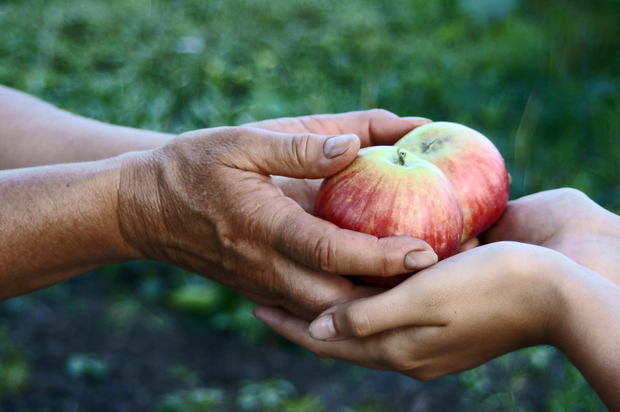
The prophet Isaiah shows how fasting can be spiritually fruitful or destructive. As a discipline of our body, fasting has the power to quickly cut through our selfishness and reveal a longing…not just for food, but for the Lord.
Mass Readings – Friday after Ash Wednesday
***************


When questioned about fasting, Jesus responds with an insight: there is a time to feast and a time to fast. As the Lord’s disciples we are guided by our faith in Christ to discern the appropriate times when we need to adjust our behaviors for the specific needs of a particular situation.
Mass Readings – Saturday of the 13th Week of the Year
***************
Archive of Fr. Andrew’s Podcasts

The practices of fasting, prayer and almsgiving are powerful disciplines that the Church has embraced from the teaching of Jesus, and they offer immense power in shaping and guiding our spiritual lives.
Mass Readings – Wednesday of the 11th Week of the Year
***************
Archive of Fr. Andrew’s Podcasts


The spiritual discipline of fasting offers a powerful tool to help us recognize the needs of others. Both Isaiah and Jesus offer key insights into this practice, guiding us to see how fasting in our bodies can bring renewal to our souls.
Mass Readings – Friday after Ash Wednesday
***************
Archive of Fr. Andrew’s Podcasts


The ashes on our foreheads invite us to repent of the sins that keep us from God and one another. Through fasting, prayer and almsgiving we have powerful tools that can open our hearts and transform our lives in this great season of Lent.
***************
Archive of Fr. Andrew’s Podcasts


Mass Readings – Saturday of the 13th Sunday of the Year
Jesus explains to the disciples of John in the Gospel today that there is a time to feast and a time to fast…reminding us that in our journey of faith we are also called to respond to the situations and circumstances of life with the guidance of Jesus Christ.
***************
Archive of Fr. Andrew’s Podcasts

Mass Readings – Wednesday of the 11th Week of the Year
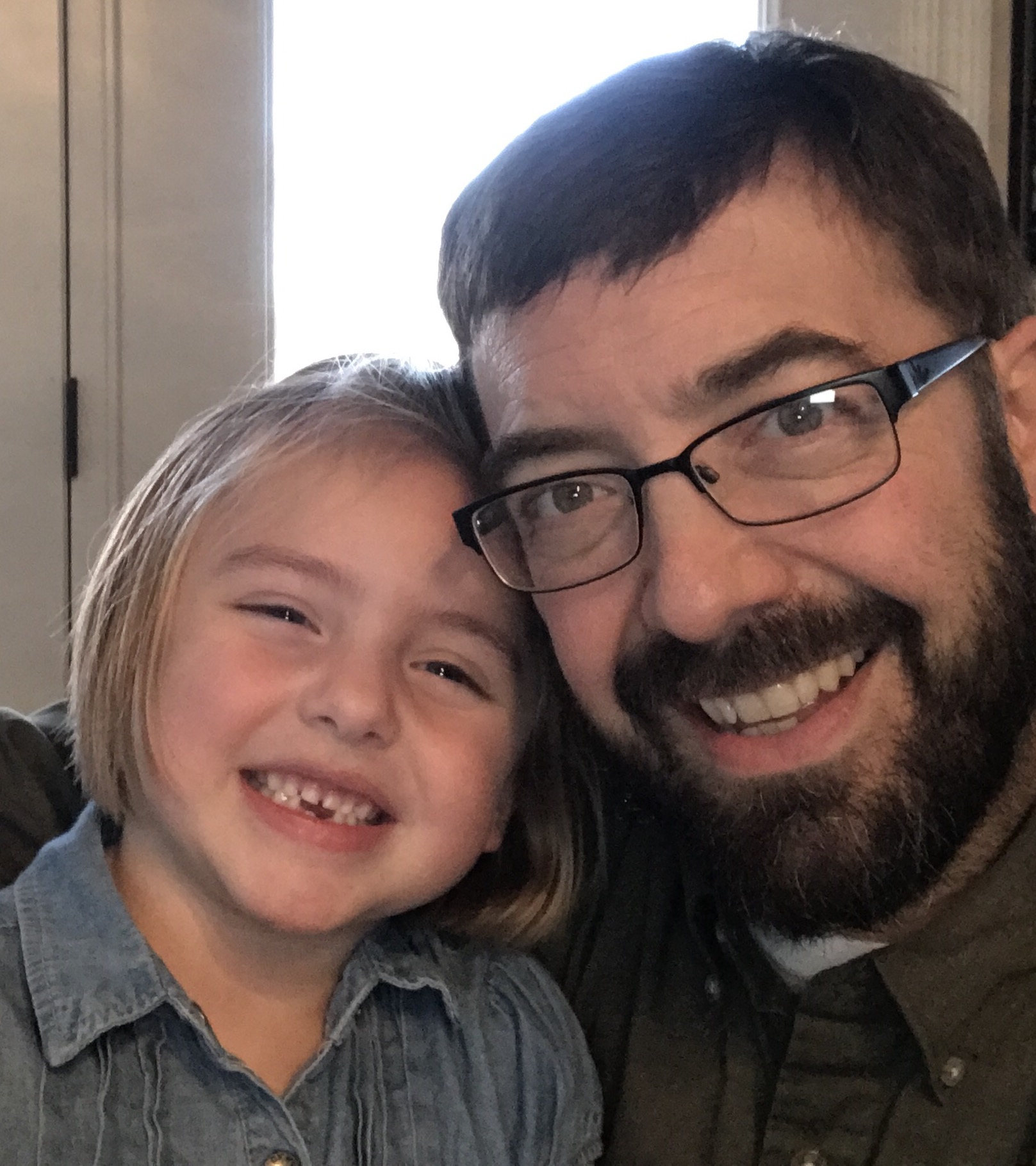
God loves a cheerful giver, and with the enthusiasm of a child we can offer our lives in prayer, service, fasting and almsgiving. May we give generously and joyfully, recalling that all that we have is a gift from the Lord.
***************
Archive of Fr. Andrew’s Podcasts

 Catholic Inspiration – Podcast Archives of Homilies & Talks
 Three Great Things